At a glance
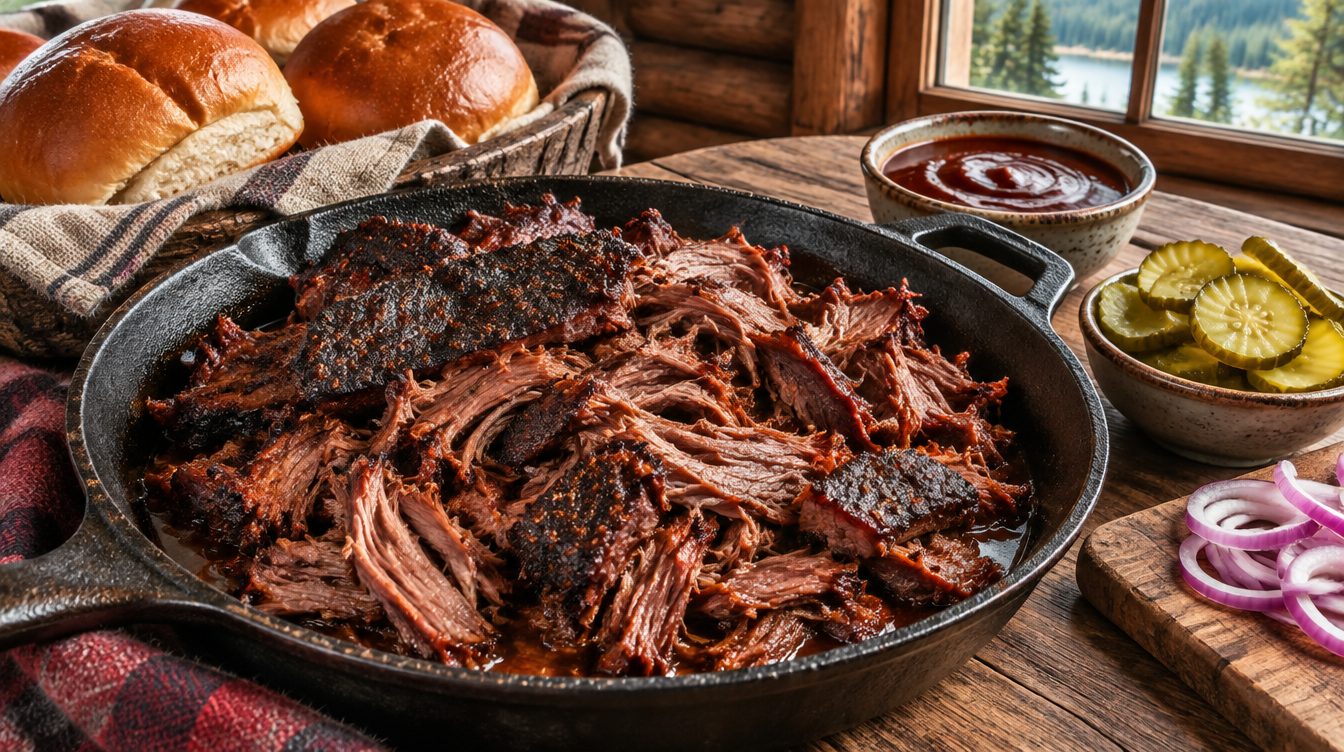
Trim the fat from a bear roast, brine it overnight and season it with a sweet barbecue rub. Smoke it at 250°F until the bark sets at about 165°F, then wrap it with apple juice and keep cooking until it reaches 200°F to 205°F and pulls apart. Bear must always be cooked thoroughly, never pink.
Bear meat surprises most people. A well cared for bear, especially one that has been feeding on berries and acorns, is rich, dark and slightly sweet, a little like a cross between beef and pork. It is also one of the best meats for low and slow smoking. Cooked like a pork shoulder until it pulls apart, it makes outstanding barbecue.
Bear meat safety
Bear is one of the wild meats most commonly linked to trichinellosis, a parasitic infection. The CDC warns that smoking, curing, drying and microwaving do not reliably kill the parasite, and that some strains found in wild game survive freezing. The only reliable protection is cooking bear meat thoroughly, to at least 160°F all the way through. Pulled bear goes far beyond this. Never serve bear rare or pink, and never make jerky from raw bear meat.
Trimming bear fat
Bear fat can be thick and can taste strong or rancid, especially from bears that have fed on fish or garbage. Trim off as much as you can before brining. Rendered fat from a clean, well fed bear is prized for baking, but it is best kept away from the smoked meat.
Recipe
Smoked Bear Roast
- Prep
- 20 min
- Cook
- 8 hr
- Rest
- 30 min
- Total
- 8 hr 50 min plus overnight brining
- Makes
- 6 to 8 servings
- Smoker 250°F (121°C)
- Wrap at about 165°F (74°C)
- Pull at about 200°F to 205°F (93°C to 96°C), never below 160°F (71°C)
Ingredients
Brine
- 1 gallon (3.8 liters) cold water
- 3/4 cup (about 180 g) kosher salt
- 1/2 cup (100 g) brown sugar
Bear
- 1 bear roast (shoulder or hindquarter), 4 to 6 lb (1.8 to 2.7 kg)
- 2 tbsp yellow mustard
- 1/2 cup (120 ml) apple juice, for wrapping
Rub
- 2 tbsp brown sugar
- 1 tbsp smoked paprika
- 1 tbsp black pepper
- 2 tsp garlic powder
- 2 tsp onion powder
- 1 tsp kosher salt
- 1/2 tsp cayenne
Equipment
- Smoker
- Brining container
- Butcher paper or foil
- Probe thermometer
- Gloves
Method
- Wearing gloves, trim off as much of the bear fat as possible, along with silverskin and bloodshot meat.
- Dissolve the salt and sugar in the water and brine the roast in the fridge overnight.
- Rinse and pat dry. Coat with mustard and season all over with the rub.
- Heat the smoker to 250°F (121°C) with hickory, oak or apple.
- Smoke for about 4 to 5 hours, until the bark is set and the roast reaches about 165°F (74°C).
- Wrap tightly in butcher paper or foil with the apple juice.
- Continue cooking for 3 to 4 hours, until it reaches 200°F to 205°F (93°C to 96°C) and pulls apart easily.
- Rest, wrapped, for 30 minutes, then pull the meat and toss it with its juices.
Notes
- Bear meat can carry Trichinella parasites, and some strains in wild game survive freezing. Always cook bear meat thoroughly and never serve it pink.
- Wash hands, knives and boards thoroughly after handling raw bear meat.
Serving ideas
- Pulled onto buns with slaw and barbecue sauce.
- In tacos with pickled onions and salsa.
- Over rice and beans with the cooking juices.
The method is very similar to our smoked wild boar shoulder, another wild meat that must be cooked thoroughly.
Frequently asked questions
Is bear meat safe to eat?
Yes, when it is cooked thoroughly to at least 160°F. Undercooked bear can cause trichinellosis.
How long does it take to smoke a bear roast?
About 7 to 9 hours at 250°F for a 4 to 6 lb roast, including the wrapped stage.
Can I freeze bear meat to kill parasites?
No. Some Trichinella strains found in bears survive freezing. Cooking is the only reliable method.
Sources: CDC: How to prevent trichinellosis.